Part I | The Need
The Hidden Gap in Maternal Nutrition: Why Many Pregnant Women Don’t Get the Nutrition They Need (And Why It Matters)
When Healthy Choices Aren’t Accessible
Pregnancy is a time when nutrition matters more than ever. Essential vitamins and minerals help build a baby’s brain, spine, bones, and organs while supporting the mother’s health.
But for many women, getting proper prenatal nutrition isn’t simply about making better choices. It’s about access.
Across the United States, many mothers—especially those in under-resourced communities—face barriers that make it difficult to get the nutrients they need during pregnancy.
Why Prenatal Nutrition Is Hard to Access
1. The Cost of Healthy Food
Nutrient-rich foods like fresh produce, lean proteins, and dairy are often more expensive than processed alternatives.
For families managing tight budgets, affordability often determines food choices meaning calories are prioritized over nutrients.
2. Living in Food Deserts
Many communities lack access to full-service grocery stores. Instead, families rely on convenience stores with limited healthy options.
Without transportation, accessing nutritious food can require significant time and effort.
3. Limited Time and Work Constraints
Many women juggle multiple jobs, childcare, and household responsibilities.
Preparing balanced meals requires time for shopping, planning, and cooking—resources that are often limited.
4. Lack of Access to Prenatal Care
Prenatal care is where many women first learn about prenatal vitamins and nutrition.
Barriers such as:
- Lack of insurance
- Transportation challenges
- Scheduling difficulties
can delay care—and delay access to critical nutrients.
5. Unplanned Pregnancies
Nearly half of pregnancies in the U.S. are unintended.
This means many women are not taking prenatal vitamins during the earliest stages—when nutrients like folate are most critical.
Without adequate folate, babies are at increased risk for conditions such as:
- Spina bifida
- Anencephaly
6. Limited Nutrition Education
Some women simply do not have clear, accessible information about:
- Which nutrients matter most
- When to start taking prenatal vitamins
- How nutrition affects fetal development
A Mother’s Story
Maria wanted to do everything right during her pregnancy.
But the nearest grocery store was miles away, and she relied on public transportation. Healthy food was expensive, and Maria hadn’t yet seen a provider who could guide her.
At a local clinic, she received prenatal vitamins and learned the importance of nutrition during pregnancy.
With access to prenatal vitamins, Maria knew she was giving her baby essential nutrients – even on days when healthy foods were harder to come by.
Why This Gap Matters
These barriers are not about a lack of care—they are about a lack of access.
When mothers cannot consistently get essential nutrients, risks increase. But many of these risks are preventable.
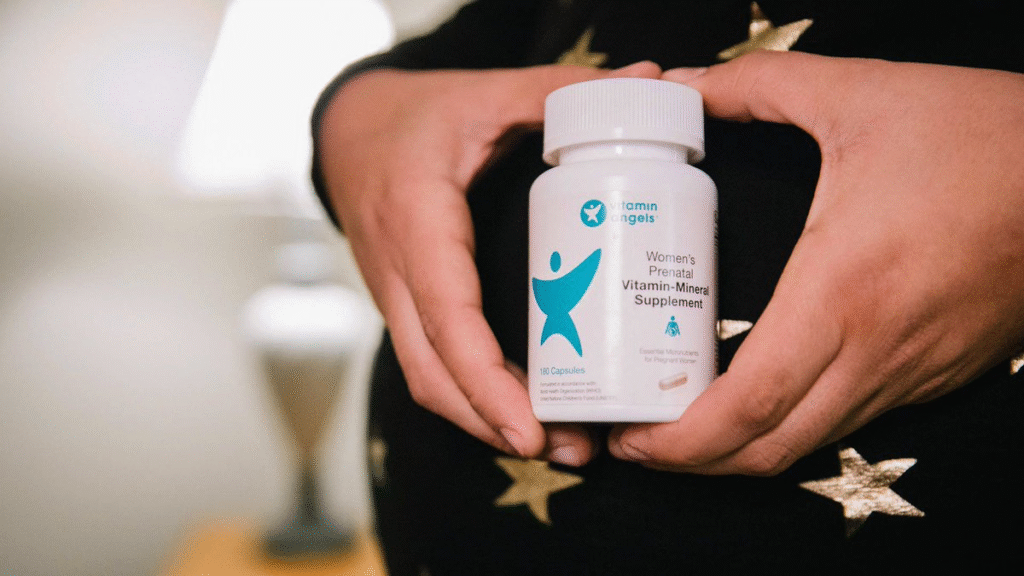
Prenatal vitamins provide a simple, reliable solution.
For many under-resourced mothers, prenatal vitamins are the most consistent source of critical nutrients during pregnancy.
Bridging the Gap
Prenatal vitamins are not a luxury.
They are often the only dependable source of essential nutrients like folate and iron—nutrients that help prevent serious complications and support healthy development.
Expanding access to prenatal vitamins is one of the most effective ways to improve maternal and infant health.
Because when a mother has access to the nutrients she needs, she has a better chance to support a healthy pregnancy.
And every mother deserves that chance.
Next: Learn which nutrients matter most in pregnancy → Prenatal Vitamins: The Essential Nutrients Every Mother Needs
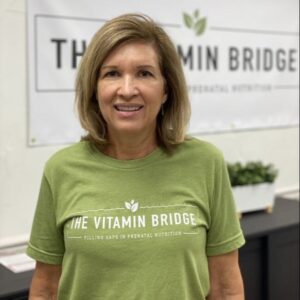
Martha Day
Martha became aware of nutrition gaps and the importance of prenatal vitamins among under-resourced moms-to-be while serving at a community pregnancy center. She was moved to action and continues to use her experience as a volunteer and advocate to lead The Vitamin Bridge.