A Timely Reminder of Why Prenatal Nutrition Matters
Nutrition always matters, but it is especially important during pregnancy.
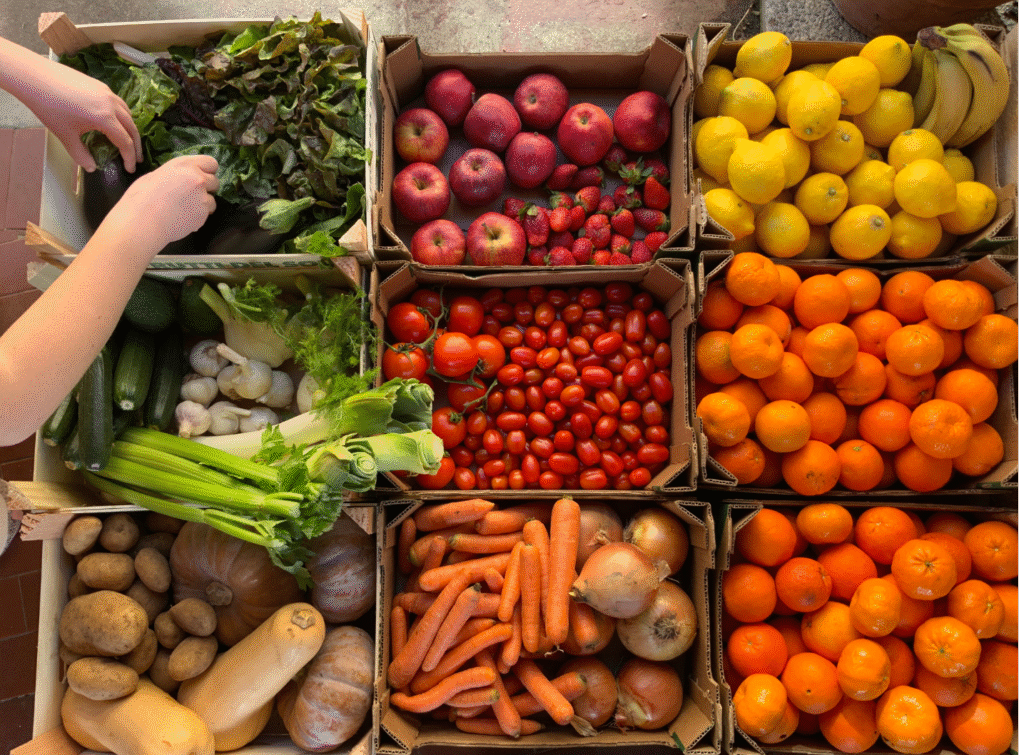
The U.S. House of Representatives has recently approved the Fiscal Year 2027 agriculture appropriations bill, renewing concern about pregnant women’s access to nutritious foods. If approved and signed into law by the Senate, this bill would reduce funding for the Special Supplemental Nutrition Program for Women, Infants, and Children (WIC), including fruit and vegetable benefits for expectant and breastfeeding mothers. These cuts would make it even harder for families to obtain nutritious foods during one of life’s most critical stages.
Every expectant mother hopes for the same thing – a healthy baby.
Nearly half of all infants born in the United States benefit from WIC during pregnancy or early childhood. Proposed reductions to the program, which includes $141 million in fruit and vegetable benefits, could affect approximately 5.4 million pregnant women, new mothers, infants, and young children.
While the future of this legislation remains uncertain, it highlights an important reality that every expectant mother needs adequate nutrition, regardless of income or circumstance.
A Practical Response to a Complex Problem
Every baby deserves a healthy start, yet many mothers face barriers to the nutrition needed for a healthy pregnancy. As presented in my previous blog post, hidden gaps in maternal nutrition have a variety of causes. Reducing food insecurity requires long-term investment in healthcare, education, transportation, and affordable food access.
These challenges will not be solved overnight.
Prenatal vitamins offer an immediate, affordable, and evidence-based way to support maternal and infant health by helping meet essential nutritional needs during pregnancy. They will never replace a healthy diet but can ensure that critical nutrients are available.
Prenatal vitamins are recommended for women of childbearing potential by organizations such as the World Health Organization (WHO), Centers for Disease Control and Prevention (CDC), Association of Obstetricians and Gynecologists (ACOG) and other authorities on women’s health. These supplements provide important nutrients that support healthy fetal development and reduce the risk of preterm births, low birthweights, and preventable birth defects. Benefits for mothers include reduced risk of iron-deficiency anemia and serious complications such as preeclampsia. Prenatal vitamin consumption also protects mothers against bone density loss.
Prenatal vitamins are a practical way to help mothers receive critical nutrients, even when circumstances make consistent, high-quality nutrition difficult.
Every Healthy Birth Matters
Whether a family has abundant resources or faces financial hardship, every baby needs essential nutrients to grow and develop. Every mother needs adequate nutrition to carry her baby to full-term, recover from delivery, and breastfeed her child. When nutritional building blocks are absent, poor outcomes can occur.
Maternal nutrition is a complex challenge, but meaningful progress often begins with practical interventions. Prenatal vitamins are a step toward healthier pregnancies.
Every healthy pregnancy strengthens a family.
Every healthy birth strengthens a community.
And when we help expectant mothers receive the nutrition they need, we invest in a healthier future for us all.
That is something we can all agree on.
The challenges surrounding maternal nutrition are complex but ensuring access to nutritious foods and prenatal vitamins improve birth outcomes—one mother and one baby at a time.
Missed Part 1?
Learn why many expectant mothers struggle to get adequate nutrition during pregnancy.

Martha Day
Martha co-founded The Vitamin Bridge after seeing firsthand the nutrition gaps facing under-resourced women and the critical role prenatal vitamins can play. What began as a moment of awareness turned into action, and she now provides leadership to the organization with a deep commitment shaped by her experience as both a volunteer and advocate.